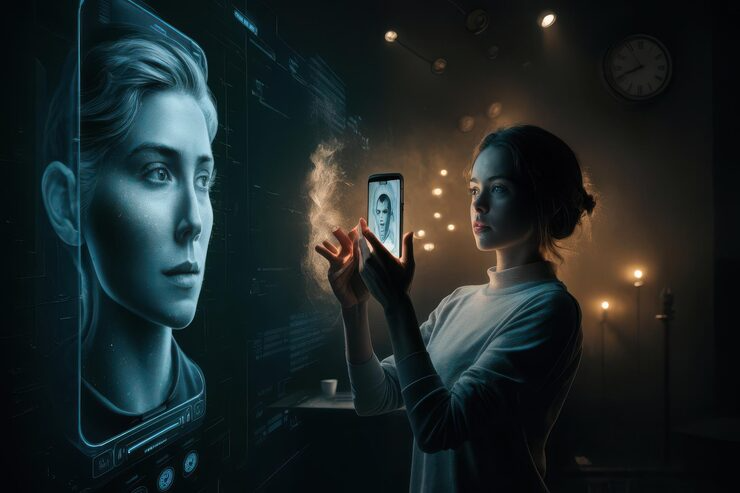

Static images used to be the end of the road. You’d shoot a great photo, maybe run it through a few editing passes, post it, and move on. The idea that a single still frame could become a fully animated, expressive video clip — without a camera crew, without a studio, without even a second shot — would have sounded like wishful thinking five years ago.
It’s not wishful thinking anymore. image to video AI has crossed the threshold from experimental to genuinely useful, and the creators who’ve started integrating it into their workflows are already ahead.

Why Static Content Has a Real Limitation Problem
Here’s something most visual creators run into eventually: the best photo you have of a subject isn’t always the one you were able to shoot with motion in mind.
Maybe it was a spontaneous portrait. Maybe the client only gave you thirty minutes on-set and you prioritized stills. Maybe you’re working from archival material that was never meant to move.
Whatever the reason, you end up with a great image and a need for video content — and the traditional answer is to shoot again. That’s expensive, time-consuming, and sometimes simply not possible.
The workaround that became the solution
For a long time, the creative workaround was the Ken Burns effect: slow pans, subtle zooms, a sense of motion without actual movement. It works well enough. But audiences have evolved, and so have their expectations. A slow zoom on a portrait doesn’t feel like video anymore — it feels like a slideshow.
What image to video tools do is fundamentally different. They generate real motion. Facial expressions shift. Hair moves. Eyes blink. The frame breathes. What was frozen becomes alive, and it does so in a way that holds up to the scrutiny of actual video playback.
Where This Technology Is Actually Being Used
The most surprising early adopters aren’t Hollywood studios or tech giants. They’re small teams with big content demands and limited production budgets.
Real estate marketing is one area that moved fast. A single exterior photo can now become a walkthrough-style video clip. Lighting can shift to show the property at golden hour even when the shoot happened at noon.
E-commerce is another obvious fit. Product images that were shot for a catalog can be transformed into short video clips for social media, saving brands the cost of a video-specific shoot.
Personal branding and content creation might be the fastest-growing use case. Individual creators who can’t afford a video crew are using image to video tools to produce high-quality short-form content from photos they already have.
When face swap enters the picture
One of the more technically interesting developments is how image to video pipelines now intersect with Face swap capabilities. You might start with a portrait — your own, a brand ambassador’s, a fictional character — and want to generate video content that carries that specific face through animated sequences.
Platforms like Akool have built toolsets that connect these capabilities in a single workflow, so the jump from still image to animated, face-consistent video doesn’t require stitching together five different tools. That kind of integration matters more than it might sound — every tool switch in a production pipeline is friction, and friction kills momentum.
The Quality Problem Is (Mostly) Solved
A year ago, image to video output had tells. Fingers moved strangely. Background textures flickered. Motion felt floaty and disconnected from the subject.
Those artifacts haven’t disappeared entirely, but the gap has closed significantly. Current generation tools produce output that works for most commercial applications without extensive cleanup. For social media, short-form ads, and explainer content — the three areas where demand is highest — the quality threshold is now met.
What still needs human judgment
The tools handle the generation. They don’t handle the creative decisions.
Knowing which source image will animate well, how to prompt for the right motion style, how to integrate the output into a larger edit — that’s still the creator’s job. Image to video AI is a capable collaborator, not an autonomous director. The teams getting the best results are the ones treating it like a very fast assistant, not a replacement for creative thinking.
What’s Changing About Content Economics
The reason image to video matters beyond its technical novelty is that it shifts the economics of video production in a meaningful way.
Video has historically required more: more time, more equipment, more people, more money. That gap between “we have photos” and “we have video” used to cost real resources to close. Now it doesn’t — or at least, it costs far less.
For small businesses, freelancers, and independent creators, that’s not a minor efficiency gain. It’s a structural change in what’s possible. Content formats that were previously out of reach are now accessible. Production cycles that used to take weeks can move in days.
The adjustment the industry is still making
Not everyone is comfortable with how fast this is moving. There are legitimate conversations happening about disclosure — should audiences know when video was AI-generated from a still image? These are questions worth taking seriously, and the industry is working through them in real time.
What’s clear is that the tools aren’t going back in the box. The more productive conversation is about how to use them responsibly, transparently, and well.
Conclusion paragraph: Image to video technology isn’t just a shortcut for busy creators — it’s a genuine expansion of what visual storytelling can look like when production constraints are removed from the equation. The images you already have can do more than you’ve been able to ask of them. That’s a shift worth paying attention to, and the creators building fluency with these tools now will be better positioned for what the next few years of content creation actually looks like.